Describe the Use of Icons in the Eastern Orthodox Tradition.
Part of the reason why the East incorporated the veneration of icons instead of statues is tradition and part is that the use of icons predated the veneration of statues in the West. Since God assumed material form in the person of Jesus Christ he.
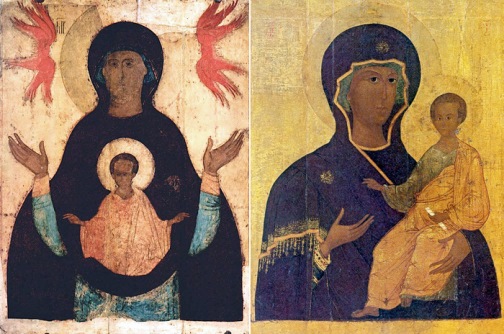
Understanding Eastern Orthodox Iconography Russian Icon Collection
This discipline reflects the fact that the Orthodox Church is a community of memory See End Note 2.
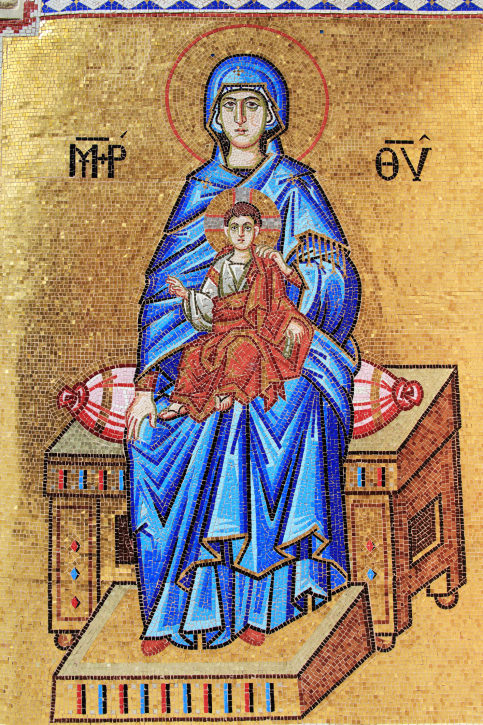
. View of the end times. This requires faith in Jesus Christ working through love. Orthodox Christians practice veneration of icons.
An icon from Greek εἰκών eikōn image is a religious work of art most commonly a painting from the Eastern Orthodox Church Oriental Orthodoxy and certain Eastern Catholic churches. Icons are so important to Eastern Orthodox Christianity that it can be difficult to fully understand the tradition without an understanding of icons. In Eastern Orthodox belief icons are windows.
The Eastern Orthodox Church also called the Orthodox Church is the second-largest Christian church with approximately 220 million baptized members. According to Father Nabil priest of St. This work written around the late fourth or early fifth century is joyfully read at the end of every Orthodox paschal liturgy.
An icon is a physical representation of a holy person or thing. The use of icons in Orthodoxy is strictly regulated by traditions that regulate the content and form of icons as well as their display and handling. There is the iconostasis or a panel of icons in the front of the church as well as icons adorning the walls and even the ceiling of the church.
Icons are transparently missing from archaeology digs. The church has no central doctrinal or governmental authority analogous to the Head of the Roman. Saints and Icons.
The most common subjects include Christ Mary saints andor angels. Reverence is directed toward the person they represent and not the relics themselves. After the Iconoclastic Controversy of the 8th9th century which disputed the religious function and meaning of icons the Eastern Church formulated the doctrinal basis for their veneration.
The Episcopal Church does not recognize or use icons as the Eastern Orthodox Church does. The Eastern Orthodox tradition throughout its history has strongly defended the use of icons which they believe enhance peoples devotion to God. Icons kept the mind from wandering and helped focus ones attention on prayer.
An icon from Greek εἰκών eikōn image is a religious work of art most commonly a painting from Eastern Orthodox Christianity and Catholicism. In addition gold leaf is usually applied to halos on icons. Icon in Eastern Christian tradition a representation of sacred personages or events in mural painting mosaic or wood.
An icon is a sacred image used in religious devotion. Use 8 facts to describe Justinians rule ruled for 40 years co emperor was his wife Theodora both came from poor families helped empire reach its largest size wanted to restore romes lost empire law code Hagia Sophia his locoed gave great power to the emperor it also gave more rights to women. Another purpose of icons was to aid the faithful in prayer and meditation on the person or the salvific significance of the event depicted.
The most common subjects include Christ Mary saints and. Protestants believe in the Second Coming of Christ. All Orthodox churches have icons.
The Eastern Orthodox tradition throughout its history has strongly defended the use of icons which they believe enhance peoples devotion to God. They are not simply artworks. It operates as a communion of autocephalous congregations each governed by its bishops and adherents in local synods.
Icons - idols in the Greek Orthodox church are renamed with typical Greek sophistry icons. Only a snippet of the sermon was. I mean you can say the same thing of icons as they do with the Liturgy of St Mark.
The churchs eschatology is amillennial. The common Eastern icon of the. They also served as a reminder to all the Orthodox of Gods omnipresent and immanence in the world.
Orthodox Christians do not worship the icons but pray through the icons to God. The Catholic Church affirms the Second Coming of Christ. The Orthodox believe that surrounding themselves with icons help them to acknowledge the constant presence of Christ and the saints in their lives.
Most icons are made with egg tempera paint on wood. George Orthodox Church in Indianapolis IN the icon is a representation of the person portrayed upon it. Posted by Damaskinos Abdullah on May 4 2018.
An icon from the Greek εἰκών eikṓn image resemblance is a religious work of art most commonly a painting in the cultures of the Eastern Orthodox Oriental Orthodox the Roman Catholic and certain Eastern Catholic churches. Salvation is a gradual life-long process by which Christians become more and more like Christ. You will also find icons in Orthodox homes.
Let us not forget that in the East an icon is read. This icon from the 4th century is a copy of one St Mark personally owned. Perhaps one of the biggest differences between the Eastern Orthodox tradition and other Christian faithsincluding the Roman Catholic traditionis the Orthodox use religious icons.
Many times entrance into a church is followed immediately by lighting a candle and placing it near an icon stand bowing with the sign of the cross and kissing the icon followed by a. Icons used in liturgy are meant to lead the soul from the finite world to the infinite spiritual realm. The term used to describe this link is typology.
There are other services including an evening service of vespers morning.
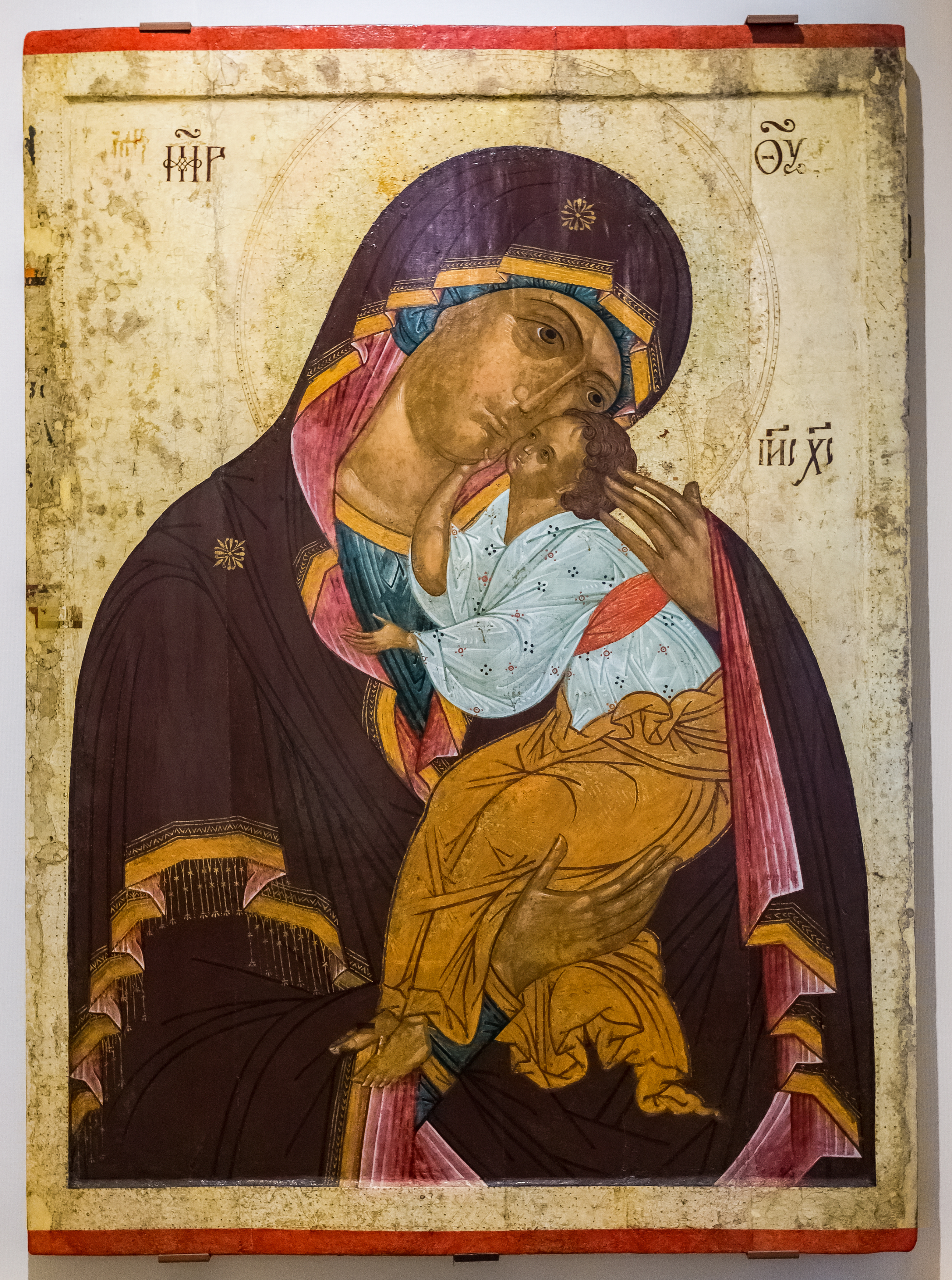
Why Do Orthodox Christians Use Icons
Praying With Icons In The Greek Orthodox Church
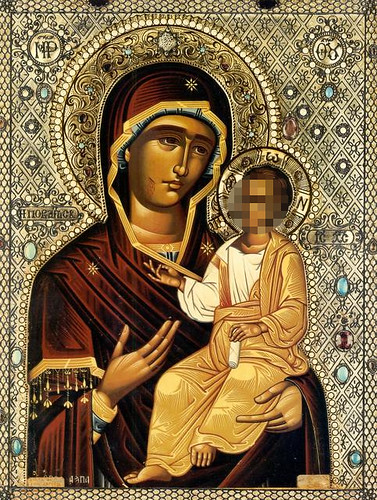
Let S Take A Closer Look At The Tradition Of Using Icons Especially By The Eastern Orthodox Church Snyder S Soapbox


Comments
Post a Comment